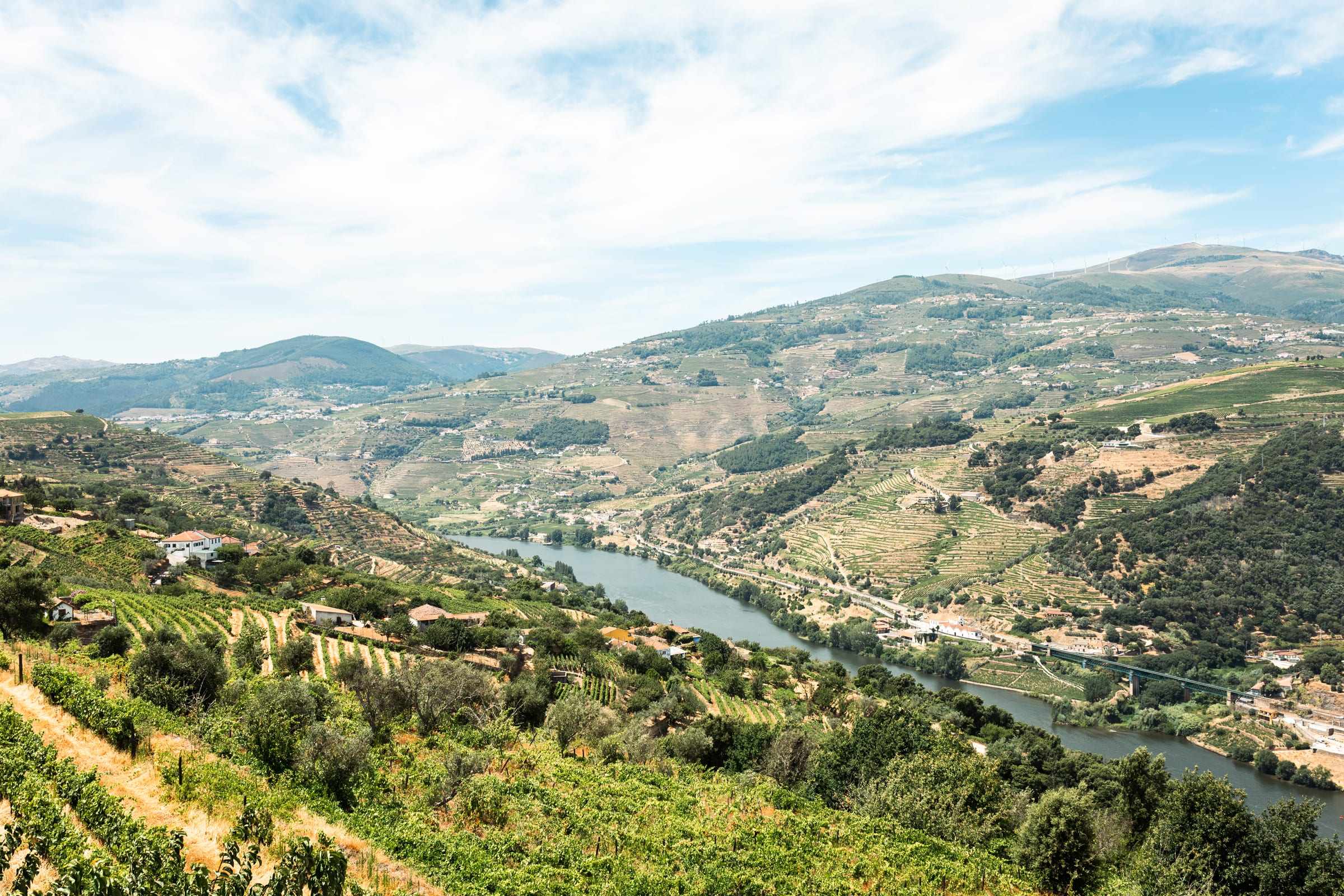
Twenty thousand growers, two hectares on average. This is where we spend the day.
-
1756
The world's first demarcated and regulated wine region
-
43 708 ha
Under vine in 2020: 17 % of the region's 250 000 ha
-
116
Grape varieties authorised by the IVDP
Where our days stop.
We leave Porto on the A4 — Amarante, the Marão Tunnel, Vila Real — and drop down to Régua on the A24: 110 km of motorway. The boat leaves from Pinhão or Folgosa. Map: © OpenStreetMap; relief: © Mapterhorn.
-
Porto · Marbella Café and Teatro Sá da Bandeira
The meeting points of the days that leave from Porto.
-
Amarante · Quinta do Ji
A quinta in the Vinho Verde region that makes its own white, rosé and red.
-
Penajóia · Adega Cooperativa
Alma Soalheira works here today and buys the grapes from the parish's growers: a walk in the vines and a tasting in the winery.
-
Cambres · Quinta da Bela
The quinta's kitchen, at the table, and the Port opened with hot tongs, in the garden.
-
Peso da Régua
The Douro line's station is the meeting point for those arriving by train.
-
Pinhão · N222
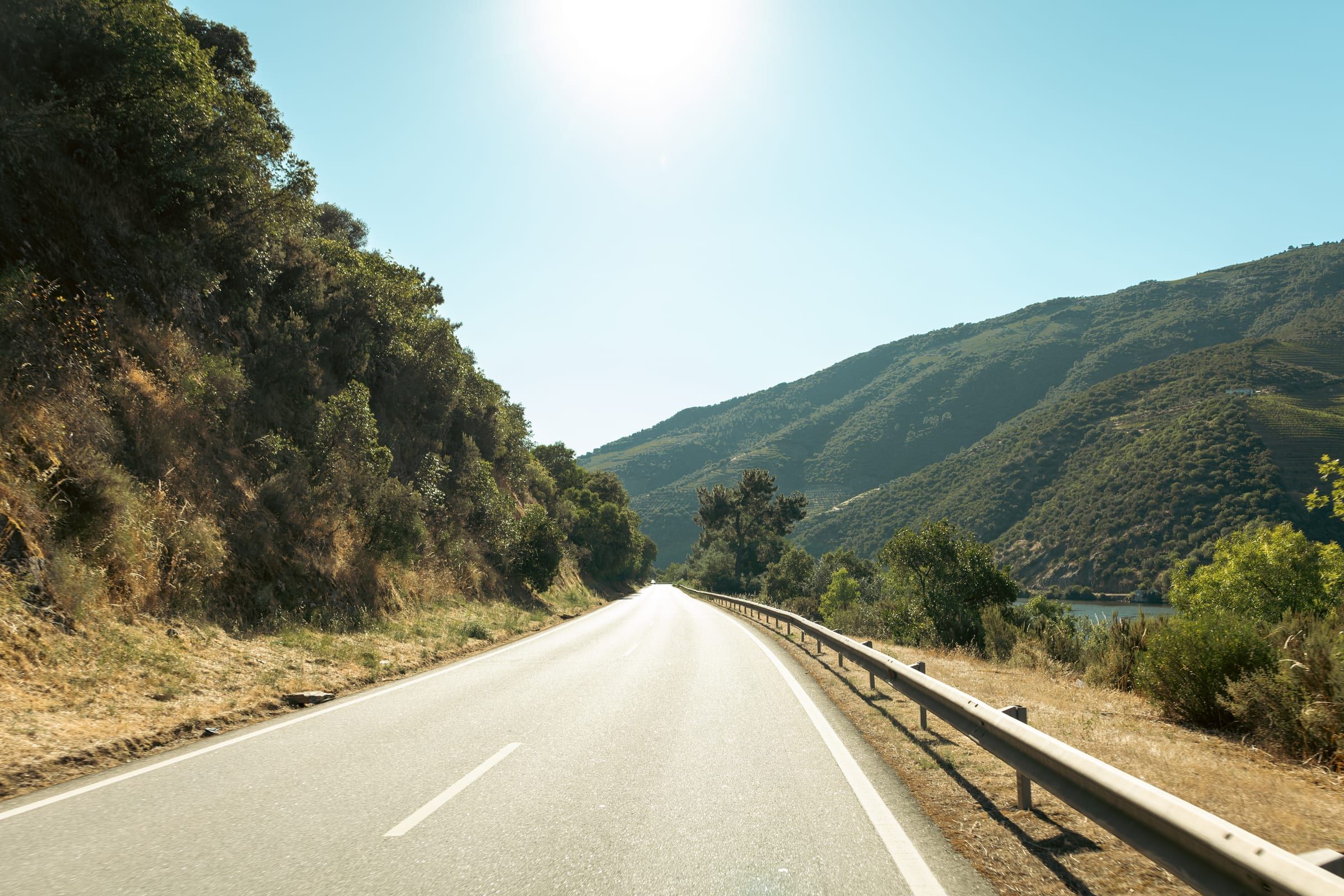
The N222 covers the 27 km from Régua to Pinhão in 93 bends; Avis named it the world's best driving road in 2015. Every one of our days drives it.
Since 1756.
-
1756 · 1761
King José I creates the Companhia Geral da Agricultura das Vinhas do Alto Douro; by 1761, 335 granite markers demarcate the region.
-
1863
Phylloxera is detected in the Douro, at Gouvinhas, in the municipality of Sabrosa.
-
1879 · 1887
The railway reaches Régua in 1879, Pinhão in 1880 and Barca d'Alva in 1887.
-
1926 · 1986
A decree makes Port wine age and leave through Gaia, at the Entreposto; only in 1986 can it leave from the Douro again.
-
1962
The Penajóia growers found the Adega Cooperativa da Penajóia, in Lamego.
-
1972
The Carrapatelo dam opens, the first of the five locks that make the Douro a 208 km waterway.
-
1982
Portaria 1080/82 recognises the Douro designation of origin for the region's still wines.
-
2001
On 14 December, UNESCO inscribes the Alto Douro Wine Region: 24 600 ha classified, across thirteen municipalities.
IVDP «Marcos históricos» and «História»; Museu do Douro; AEVP; AVEPOD; Alma Soalheira; APDL; Portaria 1080/82; UNESCO 1046.
From the wettest to the driest, west to east.
The demarcated Douro runs from Barqueiros, near Mesão Frio, to Barca d'Alva, on the border.
| Sub-region | Vines | % under vine | What marks it | Where we go |
|---|---|---|---|---|
| Baixo Corgo | 13 204 ha | 29 % | The westernmost and the wettest; the most densely planted. | Penajóia, Cambres, Régua |
| Cima Corgo | 20 427 ha | 22 % | The centre, around Pinhão; the quintas of the great Port houses. | Pinhão, the N222 |
| Douro Superior | 10 077 ha | 9 % | Up to the Spanish border; the hottest and the driest. | — |
IVDP, 2020.
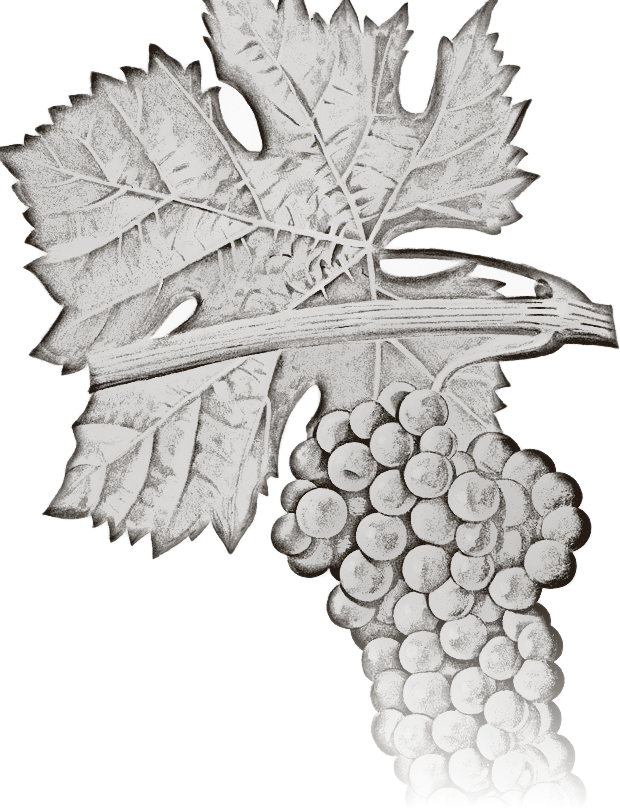
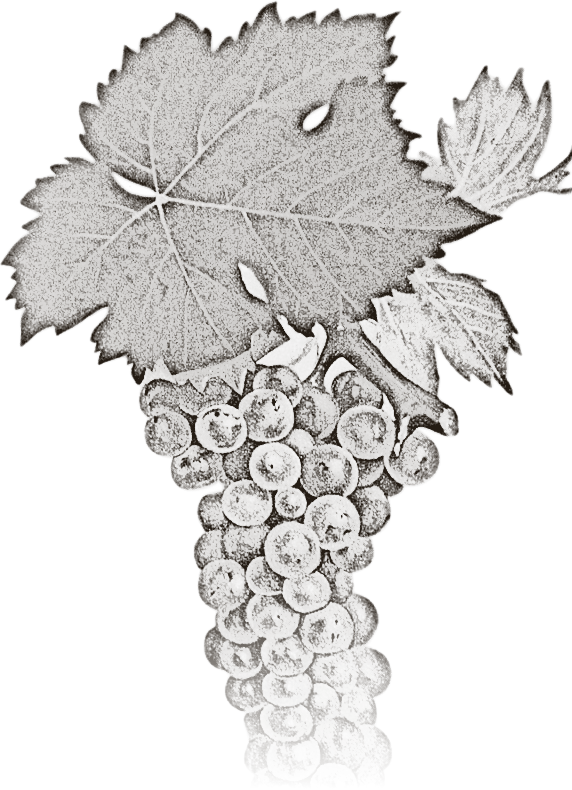
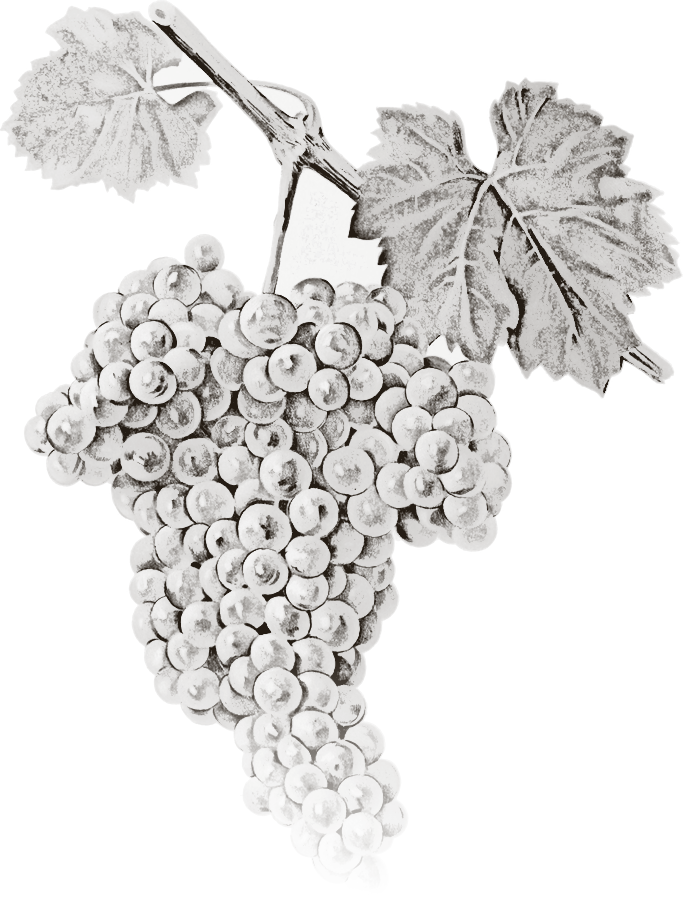
The grape varieties the IVDP singles out.
- Red
Touriga Franca
A quarter of all the Douro's vines: the region's most planted variety.
- Red
Tinta Roriz
The same variety that Spain calls Tempranillo.
- Red
Touriga Nacional
Low-yielding: small bunches, thick-skinned berries, plenty of colour and tannin.
- Red
Tinta Barroca
Planted almost only in the Douro; productive, ripens early and builds up sugar.
- White
Rabigato
The Douro's most planted white; high acidity.
- White
Malvasia Fina
Very present in the Douro's old vineyards; does not tolerate strong heat.
- White
Moscatel Galego Branco
Makes the Moscatel do Douro; planted on the high plateaus.
- White
Viosinho
Goes into the DOC whites and the white Ports.
IVDP, «Castas», 2023. Drawings: plates from Viala & Vermorel, Ampélographie (1901–1910), public domain.
How vines are planted on a steep slope.
Schist splits into slabs and holds the heat.
-
Stone terraces
Before and after phylloxera
Hand-built schist walls, one or two rows per step. The abandoned pre-phylloxera ones are called mortórios.
-
Patamares
1970s
Wide earth steps, no wall, cut by machine so the tractor can pass.
-
Vinha ao alto
1980s onwards
Rows planted top to bottom, down the slope; more vines per hectare, on the gentler slopes.
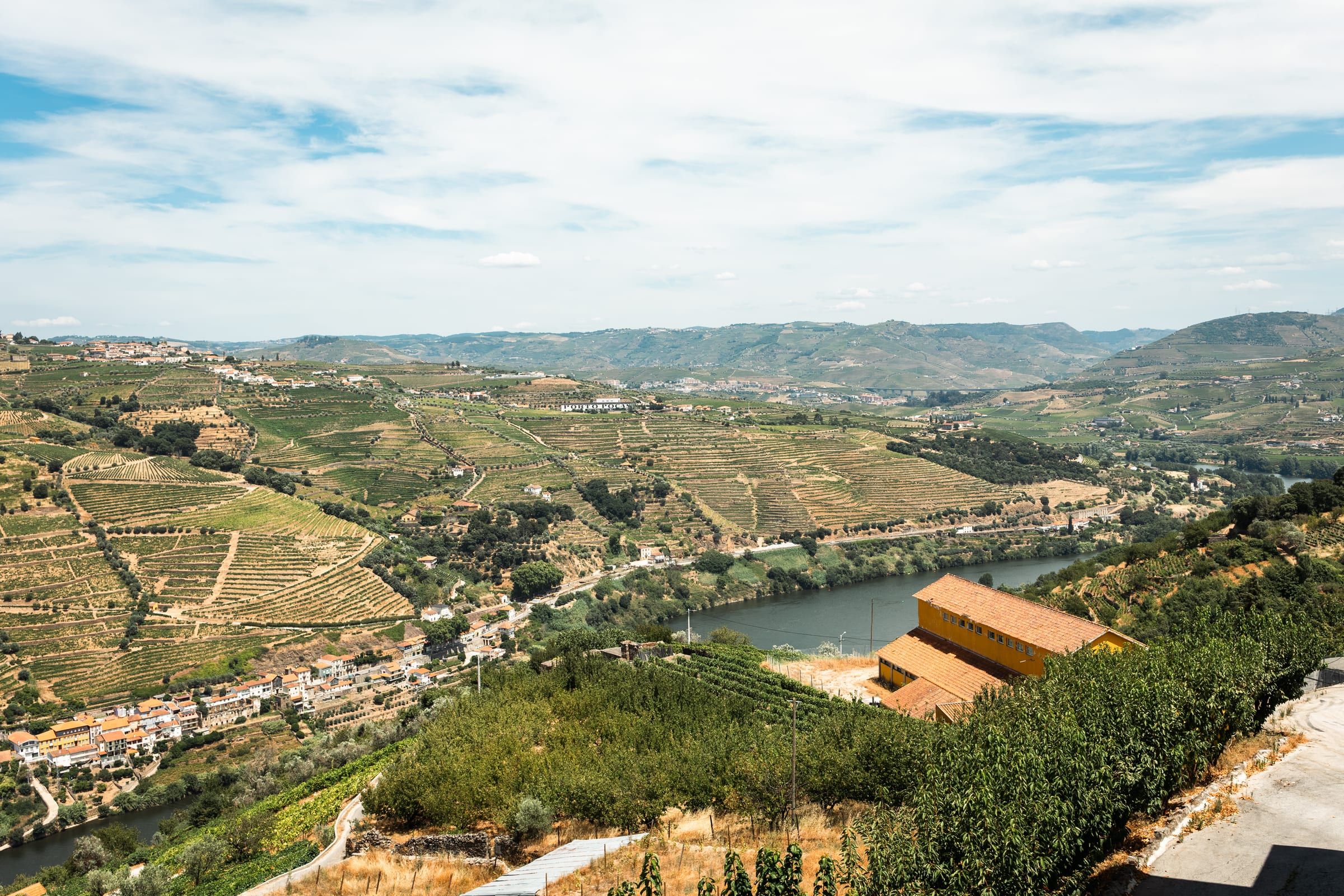
From the N222, between Régua and Pinhão, you can see all three.
Our days run all year round.
-
Spring
March to May. In 2023 the vines budded in the third week of March and flowered in the first week of May, on ADVID's reference plots.
-
Summer
June to August. In Régua the mean maximum for July and August is 32 °C and there are 25 days a year above 35 °C; in Pinhão, the IPMA measured 47.0 °C on 14 July 2022.
-
Harvest
August to October, according to the IVDP. In 2023, ADVID's reference plots were picked from 9 August to 25 September.
-
Winter
November to February. Régua's mean minimum in January is 4.5 °C; the vines are pruned in these months, almost always by hand.
IPMA, Régua climate normal 1981–2010 and climate bulletin for July 2022; ADVID, 2023 wine-year report; IVDP, «Vinificação»; Croft, «About Port wine».